


Blue light LED treatment is mainly used for acne reduction and psoriasis. Blue light acts on porphyrins inside bacteria (including the Cutibacterium acnes bacteria, which cause most forms of acne), to inactivate them. Blue light is ideally combined with red and infrared light, which are known to stimulate skin…
Cellulite and the role of skin ligaments / "fascia" / septa / "fibrous bands"
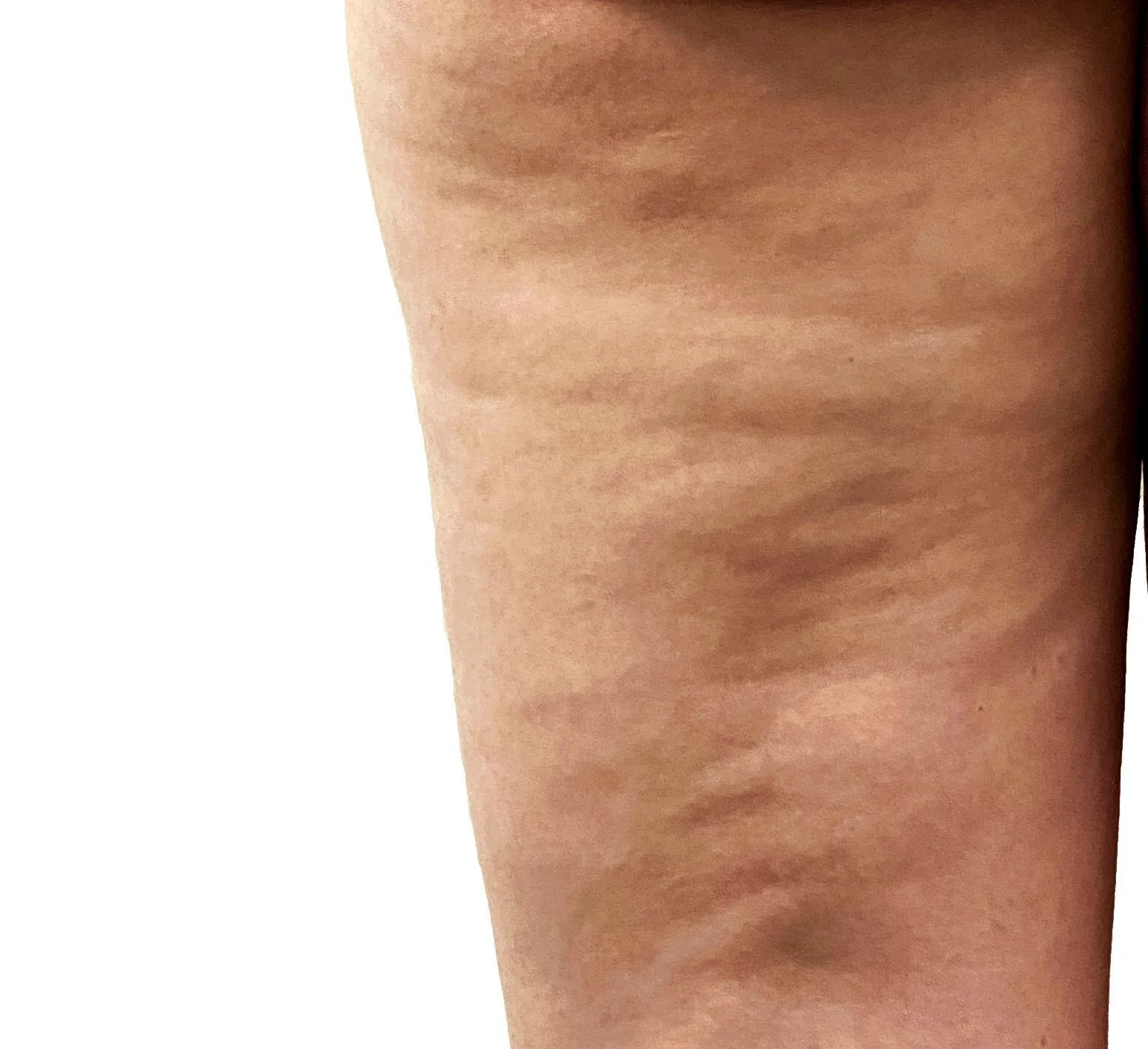
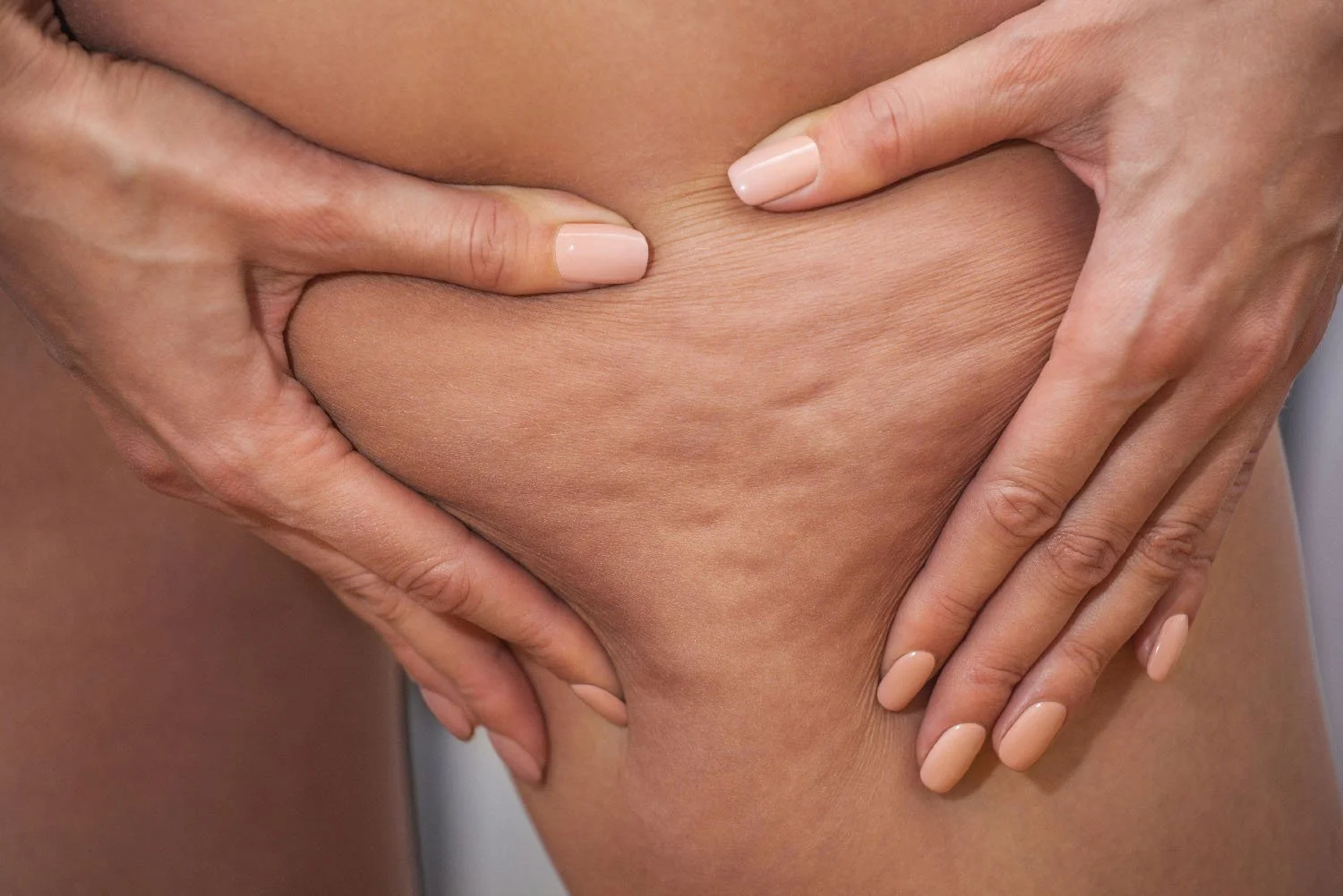
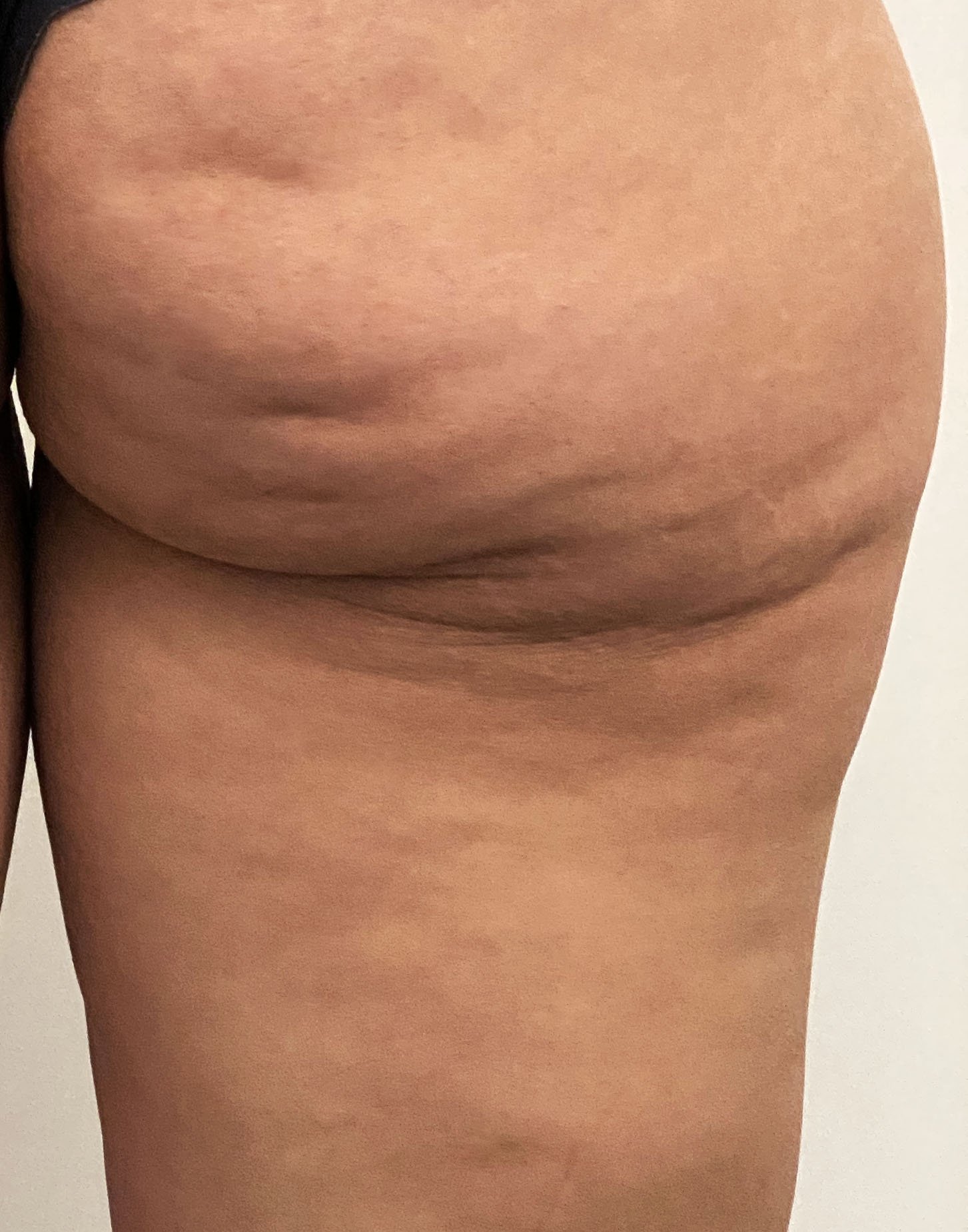
Cellulite appears due to the action of enlarged fat globules pushing skin upwards and shortened collagen fibre bundles pulling skin downwards. These collagen fibre bundles are not bothersome, unnecessary for the body tissues that need to be cut out so that fat can perpetually expand upwards without hindrance. These fibres are known to anatomists as retinaculae cutis*, i.e. skin ligaments, and they are there, as all ligaments, to keep two parts of connective tissue attached…
Learn how to determine the right mix of cavitation and radiofrequency for effective cellulite treatment
However, each specific case comes with a set of problems, requirements and different tissue types that would benefit more from ultrasound cavitation, radiofrequency or a mix of those techniques: cellulite type (deep vs superficial, hard vs soft etc); cellulite severity; connective tissue fibrosis; skin sensitivity; skin laxity; subcutaneous tissue depth; surface area to be treated…
Deep tissue massage for cellulite: does it work?
Some clinics advertise sports/deep tissue massage as an anti-cellulite massage, which could not be further from the truth. Deep tissue massage (aka sports massage) is a massage technique aiming to work DEEP into the muscles to alleviate muscle tightness, pain or injury. On the other hand, cellulite is an aesthetic condition that is characterised by hypodermal fat accumulation. Now the hypodermis may be the deepest skin layer but it is still way more superficial than the muscles. After the hypodermis we have the intermediate fascia, then the subcutaneous adipose tissue, then the deep fascia, then the muscle fascia and then the muscles. Muscles and hypodermis are two very distant tissues. Furthermore, the massage manipulation muscles need is quite different to the massage manipulation cellulite needs…
Break up the cellulite: does this phrase really mean anything?
It is a common question from clients: “Does XYZ treatment “break down” cellulite?” Of course “breaking down the cellulite” doesn’t mean anything at all. Cellulite is a multifaceted aesthetic condition, comprising four physical manifestations in different proportions: water retention/poor circulation, fat accumulation, fibrosis, skin looseness….
Does multipolar radiofrequency act deep enough to be effective for cellulite reduction?
Multipolar radiofrequency goes deeper than bipolar, so it must be good for cellulite, right? No and no. It doesn’t go deeper than anything and it is not an effective cellulite treatment. Multipolar RF, i.e. tripolar, tetrapolar, hexapolar or octipolar RF, is a type of bipolar radiofrequency and, contrary to marketing nonsense, it does not reach deeper than bipolar RF. Yes, multipolar RF is still a bipolar type of radiofrequency. In nature there are only two types or electricity: plus and minus. With so called multipolar RF, the (+) and (-) poles alternate between 3 or more electrodes. So multipolar RF is still bipolar RF, just with the poles alternating, with no extra benefits incurred for cellulite reduction…
How can infrared and red light therapy fight inflammation
Red/infrared light therapy works by shining light on the body, where it’s absorbed by specific molecules called chromophores. One key chromophore is cytochrome c oxidase, found in the mitochondria—the powerhouses of cells that produce energy. When red (about 630nm) or infrared light (about 830nm) hits this molecule, it boosts energy production by increasing ATP (adenosine triphosphate), the cell’s energy currency. It also causes a small burst of reactive oxygen species (ROS), which are molecules that can signal changes in the cell. Other chromophores include calcium ion channels, which might respond to blue or green light, and water molecules, which absorb infrared light. All these interactions lead to a chain reaction: ATP rises, ROS briefly spikes, and nitric oxide increases, all helping cells function better and reducing inflammation…
What are the best exercises specifically for reducing visceral fat?
Before explaining the mechanics of visceral fat reduction, let's start with some definitions. Visceral adipose tissue, aka VAT or visceral fat, is the type of fat found deep in your belly and between your organs; subcutaneous adipose tissue, aka SAT or simply ‘fat’, is found just under your skin either on your belly or anywhere else on your body; and hypodermal adipose tissue, aka cellulite, is fat found within the deeper part of your skin itself on the thighs, bum and even stomach and arms. Now let's go back to visceral fat reduction…
Does LED light therapy emit UV light?
Most LED treatments are in the red (~620-750nm) and near infrared (~750-1400nm) wavelengths, i.e. the exact opposite side of the spectrum from UV wavelengths (for example UVA is at ~315-400nm and UVB is even lower at ~280-315nm). So there is not a danger of your LED treatment giving off UV radiation. Red and near infrared light are widely researched for their anti-ageing, healing, anti-inflammatory…
Are tomatoes good for cellulite?
Lycopene, a potent carotenoid antioxidant in tomatoes, stands out for its skin health benefits. It reduces inflammation, a key driver of cellulite progression in the hypodermis. This can help maintain smoother skin over time. It also combats oxidative damage, protecting skin cells and improving texture. This may prevent worsening of cellulite’s visible signs. Studies show lycopene directly supports connective tissue integrity…
What do you prefer to use for cellulite at LipoTherapeia, radiofrequency or cavitation ?
We typically use radiofrequency-only when cellulite is combined with skin laxity (most common); and ultrasound cavitation-only when skin laxity is not a concern (less common). In many cases we use a mix of those technologies. But in all cases we now combine RF and/or cavitation with high-power LED red/infrared light therapy, as it provenly enhances the results of RF and cavitation. However, every body is different and there are many considerations on whether to use…
Fibrosis reduction with radiofrequency or RF microneedling: does it work?
Over the last 24+ years I have seen countless clients with post cosmetic surgery fibrosis - and even after harsh non-surgical procedures and as such procedures become more and more popular, the number of people with fibrosis increases. Body cosmetic surgery (such as liposuction, cellulaze, vaser, smart lipo etc) as well as harsh non-surgical treatments (such as RF microneedling, extreme intensity HIFU, cryolipolysis, extreme intensity radiofrequency etc) can result in fibrotic lumps or entire fibrotic regions of hard skin around the stomach, thighs, buttocks etc. Fibrosis refers to previously inflamed hardened skin or other connective tissue (or even hard lumps) comprising of scar tissue-type, randomly aligned collagen fibres. This is in contrast to firm, healthy skin, which is comprised of functional, properly aligned collagen fibres. This is sometimes the result of a surgeon doing a bad job; sometimes the result of your body reacting really badly to even the best surgeon’s work; and sometimes the procedure itself being unsafe. After all that I have seen over the decades, I would never undergo…
Cellulite is just fascia that needs blasting: one statement, multiple levels of ignorance…
If you have researched cellulite you must have bumped on this. Someone one day discovered the existence of fascia and dreamed that “fascia is the cause of cellulite”. And what do you do to fascia? But of course you just poke it, what else? Poke it as hard as you can with a crude fascia “blasting” tool, and your cellulite will go forever, right?
Radiofrequency vs ultrasound cavitation for cellulite and skin looseness
Why does my cellulite look worse in the summer?
The single more important reason for cellulite looking worse in the summer is water retention. Water retention, one of the seven aspects of cellulite, can become worse in the heat of the summer due to vasodilation. In turn, water retention makes the cellulite “bumps” to become enlarged and thighs and buttocks, in general, to become puffy. Water retention can also lead to increased low grade inflammation, another one of the seven aspects of cellulite (the other five being fat accumulation, skin laxity, fibrosis, oxidative damage and glycation)….
Christensenella bacteria and weight loss: what we know so far
It is now well known that gut bacteria influence our body weight and that faecal transplants can turn lean people into obese or - vice versa - they can save them obese people from otherwise incurable obesity. Specifically, christensenella gut bacteria have been found to be more common in lean people than the overweight and obese and they are also highly inheritable from parent to child. In the lab, christensenella minuta bacteria have turned obese mice into lean mice, and when they were transplanted into bacteria-free obese mice, they reversed their weight gain….
Decoding lipedema: from hidden causes to hopeful treatments
Lipedema is a chronic condition characterised by abnormal fat deposition primarily in the arms, hips, buttocks, and thighs, while sparing the hands and feet. For decades little was known about this condition but in the last two decades and especially since 2015 research into lipedema as well as awareness by doctors and patients has increased exponentially. Lipoedema, first described in 1910 by Irving Phillips Lyon as "adipose" or "lipomatosis," was formally delineated in 1940 by Edgar Allen and Edgar Alphonso Hines Jr. as a distinct syndrome involving fat legs and orthostatic edema. Symptoms include pain, bruising, edema, and subcutaneous nodules, which are resistant…
Can an infrared sauna blanket boost your mitochondria?
The mechanism of action for both red and infrared light therapy, for tissue healing, anti-ageing, skin rejuvenation, overall cell energy increase etc, is their boosting of mitochondrial function by stimulating a mitochondrial enzyme called cytochrome C oxidase. As mitochondria are the energy powerhouses of each and every one of our cells, boosting mitochondrial function improves overall cell function, leading to healing, anti-ageing and better tissue and organ health. More and more people these days learn about this effect of red light and infrared radiation* on mitochondria…
What colour LED light is good for pigmentation?
Scientific studies indicate that: Yellow light (around 585 nm), red light (630-660 nm), and near-infrared light (830-940 nm) can reduce hyperpigmentation by inhibiting melanin synthesis, potentially fading dark spots. The evidence leans toward these colours being effective, as they target the processes that produce excess melanin. Yellow light is not that well researched, in contrast to red and infrared which have been extensively researched for decades. Orange light, while not as well-studied, may share effects with red and yellow due to its wavelength proximity…
Does birth control cause cellulite or make your butt bigger?
Estrogen is the most important cause of cellulite. In fact it is the basis of cellulite. Without estrogen you may get weight gain and/or skin looseness, but you won’t cellulite - and that’s why men* don’t get cellulite. Yes, in addition to estrogen you do need to consume excess calories / eat unhealthily etc, but you need estrogen to turn those excess calories into…