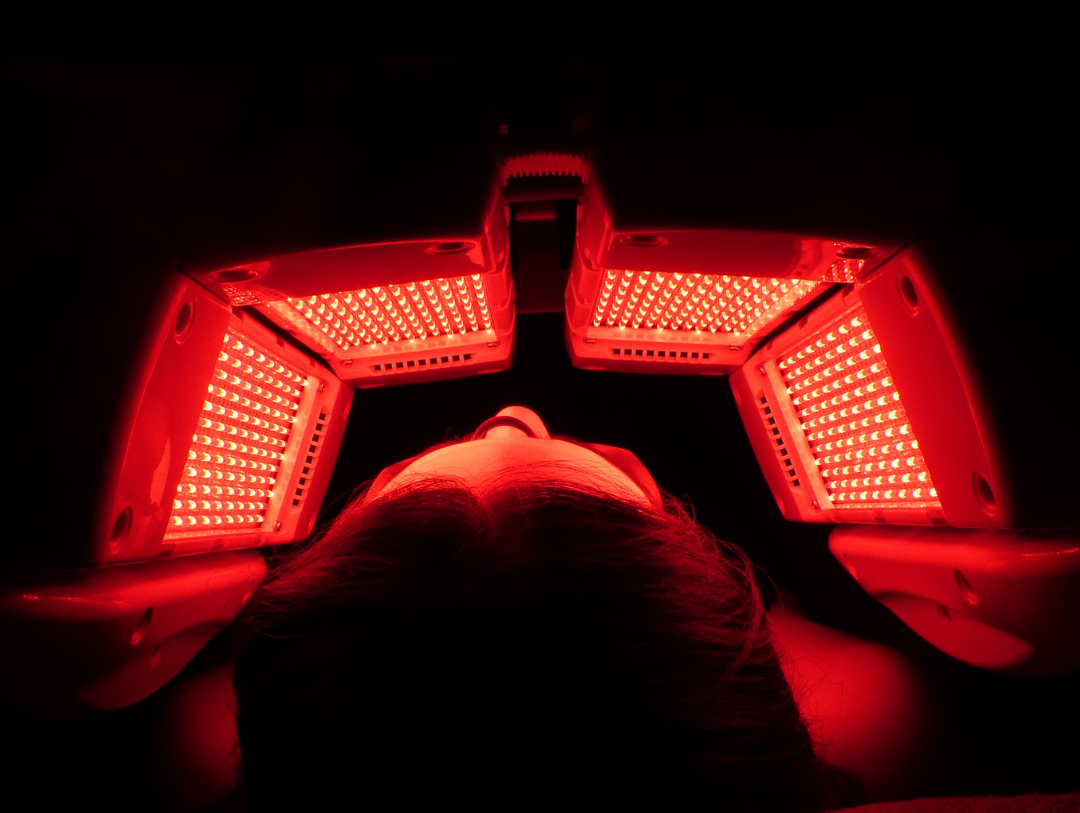



I purchased a red light device just to see if it'd take care of some keloid issues I had and am amazed! Now these buggers are collagen based. I still cannot figure out how one reduces collagen rather than just turn off the TGF-beta driven collagen factory. Red light, I'm reading, can also increase transcription of the collagen degrading matrix metalloproteinase 1 (MMP1). I'm still trying to figure things out. In your treatments, do you think you get rid of the cellulite adipose tissue first or the collagen matrix that it lives in?…
Why red light therapy cannot reduce cellulite - but it can help prevent it
This is a very common question at the clinic, especially with all the hype in social media in the last couple of years: “If LED light at red (~630nm) and near infrared (~830nm) frequencies improves tissue health then it can surely reduce cellulite, right?” To which the instant answer is: “Wrong. You will just have healthier cellulite and that’s it.” Let me explain. The biggest and most tricky components of cellulite are hypodermal fat accumulation (the elephant in the room) and hypodermal skin ligament (retinaculae cutis) shortening. Red/infrared light can indeed improve the secondary components of cellulite, such as…
Can red light LED therapy transform your skin?
The beauty world is abuzz with LED therapy, a treatment using light-emitting diodes to tackle skin woes, from acne to wrinkles. Once confined to NASA labs and dermatologists’ clinics, these devices are now available as at-home face masks, promising transformative results. This article explores this surge, spotlighting how photobiomodulation (PBM)—the process where light energy triggers cellular changes—has shifted from scientific curiosity to…
How often should you do red light therapy for weight loss?
Never and none. It doesn’t matter how often you have red light therapy - you will NOT lose any weight. Sure, there are a few research papers which report weight loss and even “trusted” sites like Healthline fall for them, simply because the writers of those trusted websites quite often have no technical expertise, insider knowledge or clinical experience themselves to assess what is real and what is fake in specific sectors - in this case the often unscrupulous aesthetic equipment manufacturer industry…
Red light therapy: miracle cure or overhyped trend?
A Stanford Medicine Scope article, published on February 24, 2025, dives into the growing phenomenon of red light therapy, also known as photobiomodulation, which has captured attention in both medical clinics and home settings for its potential to improve skin, promote hair growth, and address various health issues. This therapy employs low-level red light wavelengths to penetrate the skin, aiming to stimulate cellular processes. Specifically, it targets fibroblasts - cells responsible for producing collagen - thus supporting skin rejuvenation and hair regrowth…
How can infrared and red light therapy fight inflammation
Red/infrared light therapy works by shining light on the body, where it’s absorbed by specific molecules called chromophores. One key chromophore is cytochrome c oxidase, found in the mitochondria—the powerhouses of cells that produce energy. When red (about 630nm) or infrared light (about 830nm) hits this molecule, it boosts energy production by increasing ATP (adenosine triphosphate), the cell’s energy currency. It also causes a small burst of reactive oxygen species (ROS), which are molecules that can signal changes in the cell. Other chromophores include calcium ion channels, which might respond to blue or green light, and water molecules, which absorb infrared light. All these interactions lead to a chain reaction: ATP rises, ROS briefly spikes, and nitric oxide increases, all helping cells function better and reducing inflammation…
Can an infrared sauna blanket boost your mitochondria?
The mechanism of action for both red and infrared light therapy, for tissue healing, anti-ageing, skin rejuvenation, overall cell energy increase etc, is their boosting of mitochondrial function by stimulating a mitochondrial enzyme called cytochrome C oxidase. As mitochondria are the energy powerhouses of each and every one of our cells, boosting mitochondrial function improves overall cell function, leading to healing, anti-ageing and better tissue and organ health. More and more people these days learn about this effect of red light and infrared radiation* on mitochondria…
What colour LED light is good for pigmentation?
Scientific studies indicate that: Yellow light (around 585 nm), red light (630-660 nm), and near-infrared light (830-940 nm) can reduce hyperpigmentation by inhibiting melanin synthesis, potentially fading dark spots. The evidence leans toward these colours being effective, as they target the processes that produce excess melanin. Yellow light is not that well researched, in contrast to red and infrared which have been extensively researched for decades. Orange light, while not as well-studied, may share effects with red and yellow due to its wavelength proximity…
Red/infrared light therapy vs green, yellow and orange for skin rejuvenation: what's best?
A science paper published in 2014 explored the effectiveness of photobiomodulation (PBM) using novel polychromatic light sources vs red light for skin rejuvenation. The study investigates how non-thermal red and infrared light can improve skin appearance and stimulate collagen production, offering a gentler and more effective alternative to traditional skin rejuvenation methods like laser resurfacing or intense pulsed light (IPL). The study also compares red/infrared light therapy versus green, yellow and orange light therapy, in terms of skin rejuvenation (fine lines, wrinkles, skin roughness and skin collagen content)…
Is it better to have red light therapy in the morning or later in the day?
You’ve decided to try red/infrared light therapy at our clinic, and now you’re wondering whether it’s better to schedule your session in the morning or the afternoon. The choice might feel significant, but the truth is, it largely depends on your personal needs and routine. Red/infrared light therapy offers a range of benefits, and understanding how it fits into your day can help you make the most of it. Here’s what you need to know to decide…
Advanced LED light therapy treatments for back acne in London
Advanced red light therapy treatments in London
Advanced blue, infrared and red light therapy treatments in London for anti-ageing, skin rejuvenation, acne, wound healing, skin firming, back pain, sports injuries, stress relief and deep relaxation at LipoTherapeia, in the heart of London. Two decades of experience, honest advice, personalised treatment, caring service. Book now!