




Subscribe to our weekly offers here or check the top of our website every week for our new offers

The electrical currents used for aesthetic and physiotherapy radiofrequency treatments (300 kHz to 5 GHz) happen to fall within the so called "radio frequency spectrum", i.e. the frequencies used for radio communications (3 kHz to 300 GHz)…
Unlike lasers, which work by heating melanin or other chromophores (light absorbing chemicals or structures inside the skin), radiofrequency works with electricity and ultrasound works mechanically, with sound.. The electrical properties of the skin are exactly the same in light skinned or dark skinned people, so skin colour plays no role in radiofrequency treatment (RF is basically high frequency electrical currents). In much the same way, the mechanical (acoustic) properties of the skin are exactly the same in light skinned…
This is a common question at the clinic: “What is best, coolsculpting/cryolipolysis/fat freezing or radiofrequency?” However, as this question is very generic, it invites another question: “What is best for which outcome? For fat reduction, cellulite removal or skin tightening?”
What you will feel when you have proper, i.e. high-power, deep-acting, radiofrequency treatment is mainly deep heat. If RF is properly applied, with the correct protocol, the right treatment medium and proper equipment, the surface of your skin (epidermis) will feel warm, while deep skin layers (hypodermis and dermis) will feel very hot…
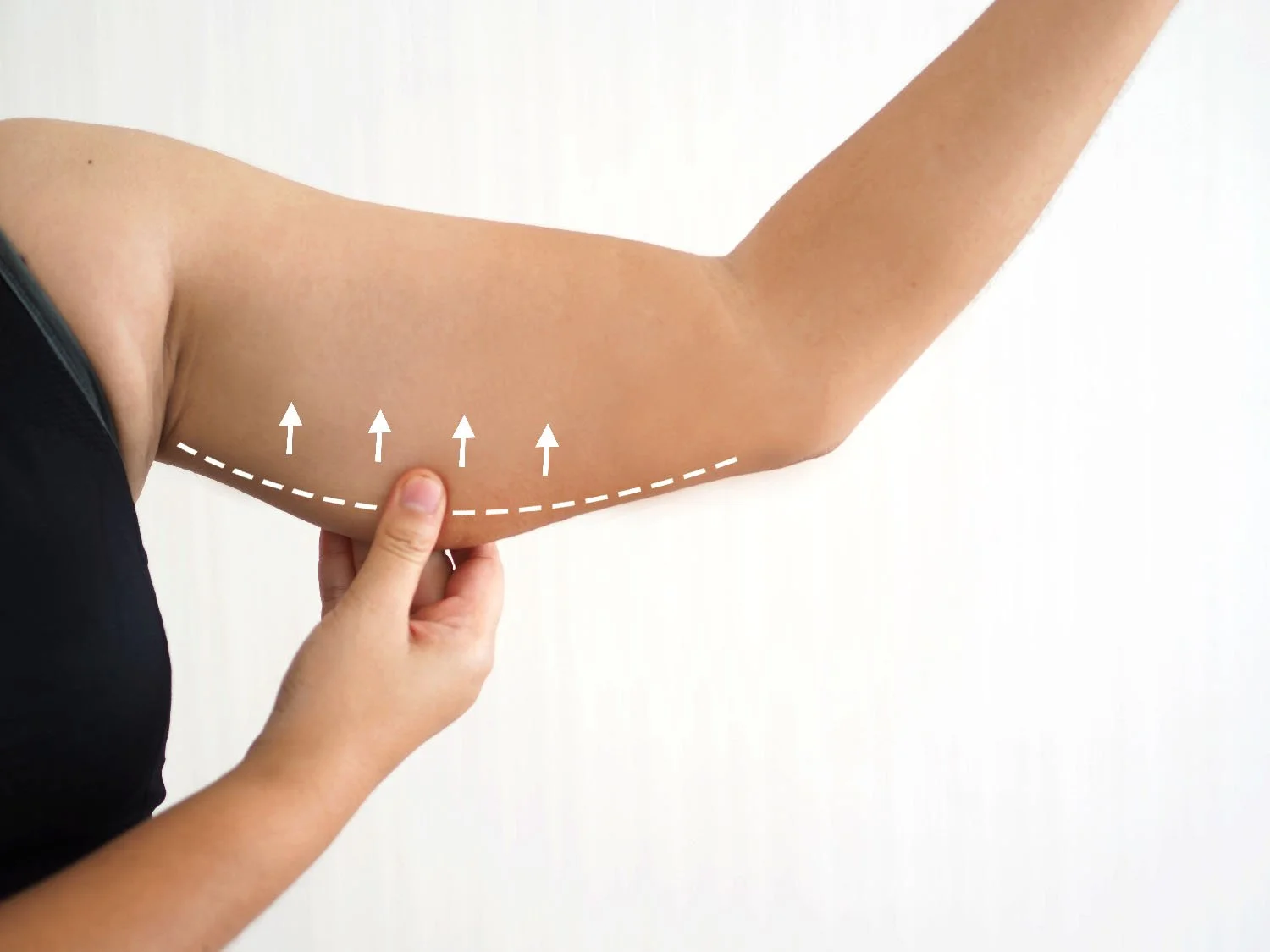
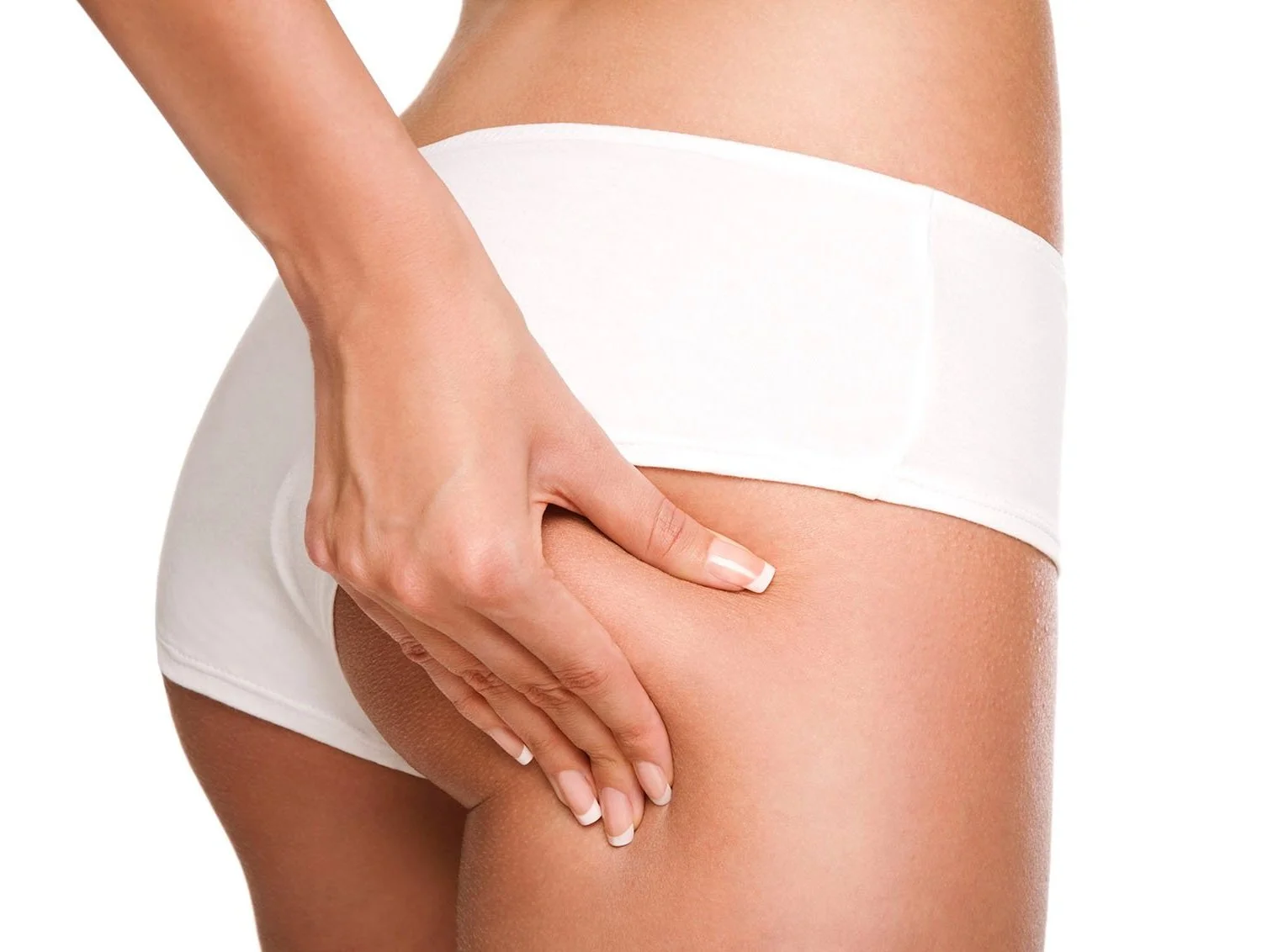
Deep-acting, high-power radiofrequency is by far the best and safest cellulite reduction and skin tightening technology and typically can offer great results in 6-12 sessions. But do these results last for ever or would maintenance treatments be needed? This is one of the most common questions at the clinic so I will present the answers here in detail…
skin tightening treatment london
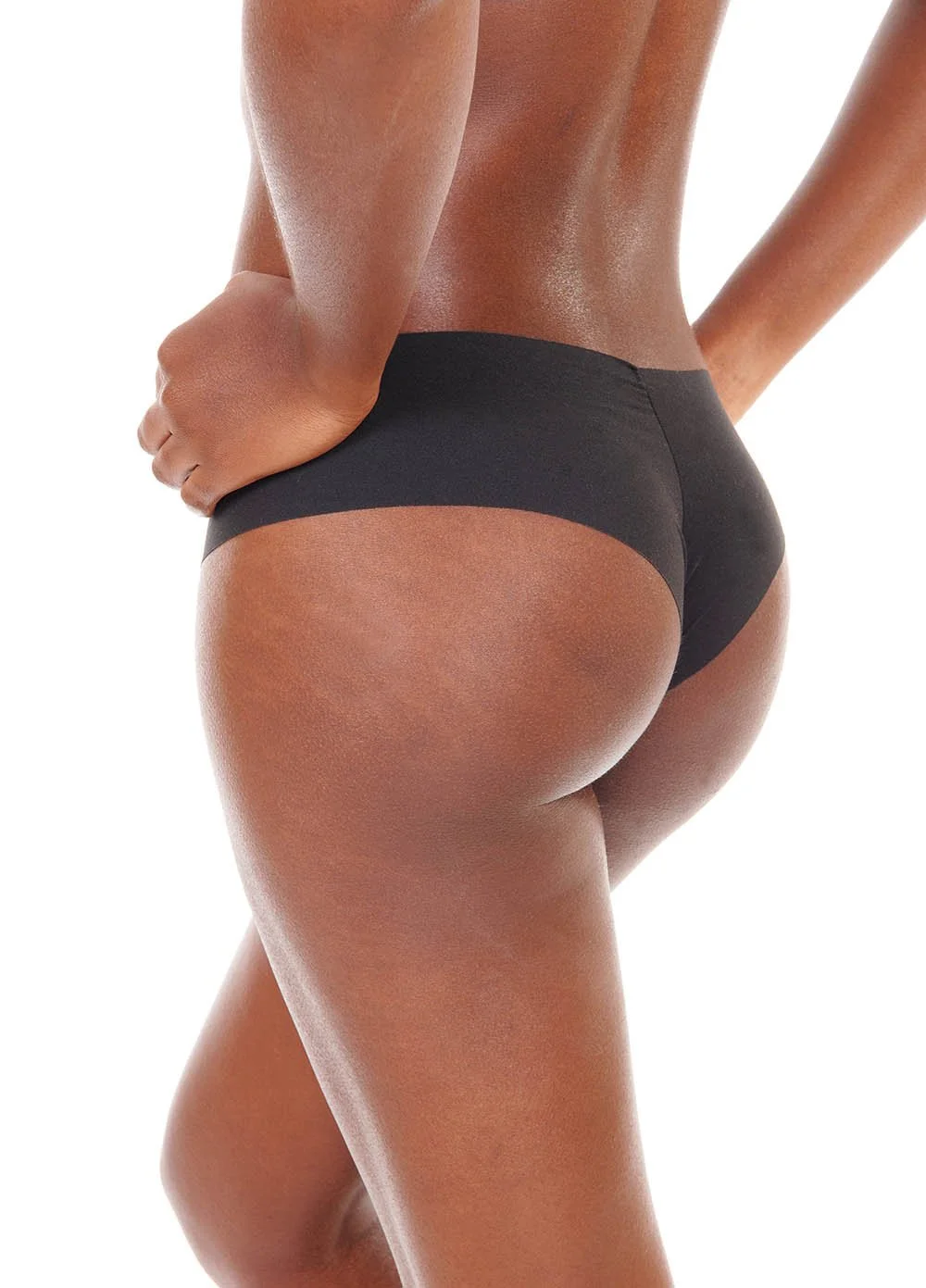
Unfortunately many people are lured to undergo dangerous and highly invasive BBL surgery or unsafe hyaluronic acid / poly-L-lactic acid fillers in order to lift and shape their derrière. As a result many women do not even try, and quite rightly so, as they are afraid of the risks of adverse reactions inherent with such treatments. However, in addition to the one-session risky options above there is the safe, natural and effective way, which is based on stimulating collagen production and collagen contraction (with deep-acting, high-power radiofrequency) and muscle building, lifting and toning (with Emsculpt’s HIFEM technology), over a course of several safe sessions, as opposed to the - supposedly instant - gimmicky options of surgery or injections. And this is what we offer with our LipoTherapeia® Plus non-surgical bum lift treatment…
Can I have cellulite / skin tightening treatment twice a week with you? Isn’t it too much? With our 99.5+% safe technique treatment twice a week is not too much at all at LipoTherapeia. In fact it is quite common with us and we have been doing treatments with such frequency for 15+ years now. Our treatment is non-invasive, super-safe and there is no downtime, so as long as we leave 1-2 days between sessions it is absolutely fine to have treatment twice a week…
This is a very common question at the clinic, especially with all the hype in social media in the last couple of years: “If LED light at red (~630nm) and near infrared (~830nm) frequencies improves tissue health then it can surely reduce cellulite, right?” To which the instant answer is: “Wrong. You will just have healthier cellulite and that’s it.” Let me explain. The biggest and most tricky components of cellulite are hypodermal fat accumulation (the elephant in the room) and hypodermal skin ligament (retinaculae cutis) shortening. Red/infrared light can indeed improve the secondary components of cellulite, such as…
After more than two decades of working with skin tightening and cellulite removal and after assessing all the relevant technologies I can state that properly applied deep-acting, high-power radiofrequency is the most effective SAFE skin tightening technology (there are other skin tightening technologies but they are either ineffective and/or unsafe). Deep, strong radiofrequency is also the jointly most effective SAFE cellulite reduction technology (again, there are other skin tightening technologies but they are either ineffective and/or unsafe). Now there are different types of radiofrequency that can be used for skin tightening and cellulite reduction, according to frequency…
The Dermal HypoDermal Junction (DHDJ) is the border between the collagen-rich dermis (medium-depth skin layer) above and much fattier and less collagenous hypodermis (deepest skin layer) underneath. In people without cellulite, the DHDJ is a pretty straight line, denoting no fat infiltration from the hypodermis to the dermis that causes the familiar cellulite bumps. In people with cellulite, the DHDJ has a more “bumpy” appearance…
Gluten is a secondary cause of cellulite, well below in order of importance from the main cellulite causes: sugar, fried food, excess card and excess fat consumption; too few vegetables, herbs, spices, berries and protein; alcohol, smoking/vaping, hormonal contraception; inactivity. So although gluten may…
Different skin tissue depths and their structures affect cellulite and skin laxity in different ways. There is widespread confusion regarding cellulite, the different skin tissue layers and their depths in the scientific literature - not to mention general information that you can find on the web. The names are totally confusing and are used to describe different things by different researchers…
The LipoTherapeia® Plus treatment, a combination of deep-acting, high-power radiofrequency, deep acting, high-power ultrasound cavitation and high-power LED phototherapy, is the strongest SAFE skin tightening, natural anti-ageing and cellulite treatment in London, ideal for both body and face.
The treatment is based on advanced protocols based on the Physics of radiofrequency, ultrasound and phototherapy and on the anatomy and physiology of cellulite and skin laxity.
To ensure high quality treatment, all consultations and treatments at LipoTherapeia are provided by cellulite / skin tightening specialist (Mr) Georgios Tzenichristos (25-year research and practical experience with 24,000+ treatments)
If, for religious or other reasons, you wish to have a female therapist or have a female chaperone present, unfortunately we will not be able to assist you, so in this case kindly do not book any sessions with us.
The LipoTherapeia® Plus treatments are exclusively provided at our practice in Central London.
This website is human-written 100%. We do not use Chat-GPT or any other AI tool for our pages and articles to bombard you with low quality, copy-paste spam articles and inaccurate information.
Chat-GPT and similar tools copy the web to regurgitate meaningless lowest common denominator platitudes, i.e. generally accepted myths that often have nothing to do with reality. Plus plenty of inaccuracies, misinformation and a healthy added dose of literally made up stuff - what AI experts call ‘AI hallucinations’.
No AI tool has the depth of experience accumulated over tens of thousands of sessions with real human beings (in fact, AI tools have zero experience, obviously). Neither can an AI tool discriminate what is reality and what is made up BS on the web.
Of course, the aesthetics industry is already full of myths, inaccuracies, platitudes and hallucinations anyway, so the advent of AI does not make much of a difference. The beauty industry has always been full of BS (sorry, that’s the correct word), AI or no AI.
So 25+ years on, we still keep it real, regardless of AI.
Copyright: All text and before & after pictures: © 2003-2026, LipoTherapeia Ltd. All rights reserved. No reproduction without written permission (plagiarising web pages will be reported to search engines for removal from their index).
Trademarks: Meso-CRF®, LipoTherapeia®, and Celluence® are registered trademarks in the UK & EU and belong to LipoTherapeia Ltd. All rights to the usage of those trademarks and copyrights are strictly reserved and are only allowed with prior written approval. The term LipoTherapeia® Plus is used by us to refer to our skin tightening / cellulite / anti-ageing treatments based on ultrasound, radiofrequency and phototherapy.
Efficacy: As with any medical / aesthetic treatment or skin product, results vary from person to person depending on lifestyle, genetics and state of health (how each individual body responds to treatment), so specific results can never be guaranteed. BTW, there is NO long-term cellulite removal or skin tightening/lifting with one, two or even three sessions and there is neither 100% nor permanent cellulite removal or skin tightening/lifting, with ANY technique, including ours, so we never make such misleading claims.
Safety: Our treatments have proven 99%+ safe over the last 15+ years (with minor/temporary irritation occurring in the other 1%- of treatments). However, as with any medical/aesthetic treatment or skin product, sensitivity varies from person to person, and from time to time even on the same person, depending on lifestyle, genetics and state of health (how each individual body responds to a treatment at a specific time), so we cannot guarantee 100% safety.
Accuracy: The information presented on this website is based on our interpretation of peer-reviewed research and/or our extensive 25-year experience and study in our field of specialisation, but it cannot be guaranteed 100% accurate or impartial.
Prices and special offers: Subject to change without prior notice. Special offers can not be combined.
Non-medical: No information, treatment or product on this website aims to treat or diagnose any medical condition or to provide/replace medical advice. Always consult your doctor.
Not professional advice: No information on this website is intended as direct or indirect professional (or personal) advice
For information purposes only: All content on this website is strictly for information purposes only.