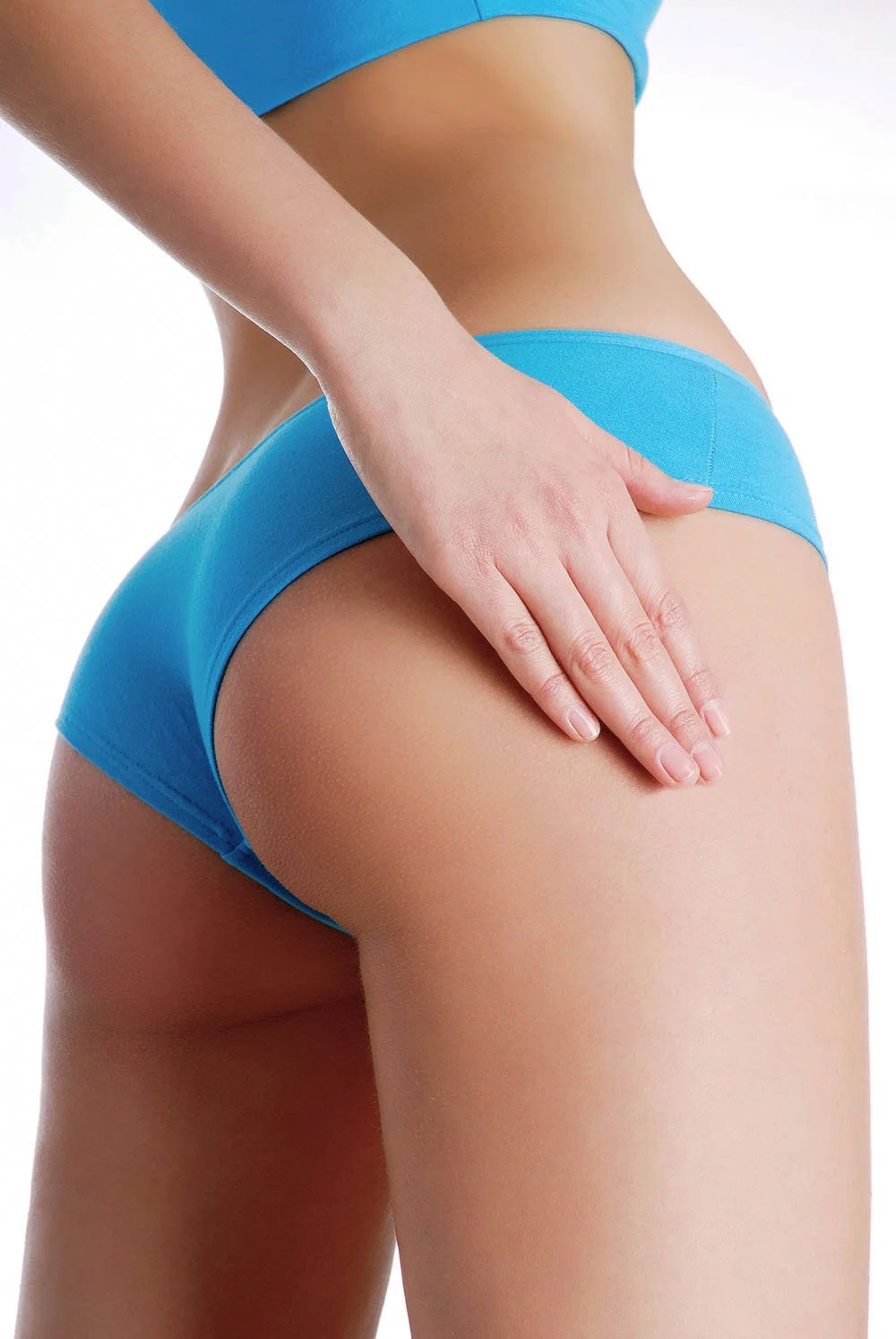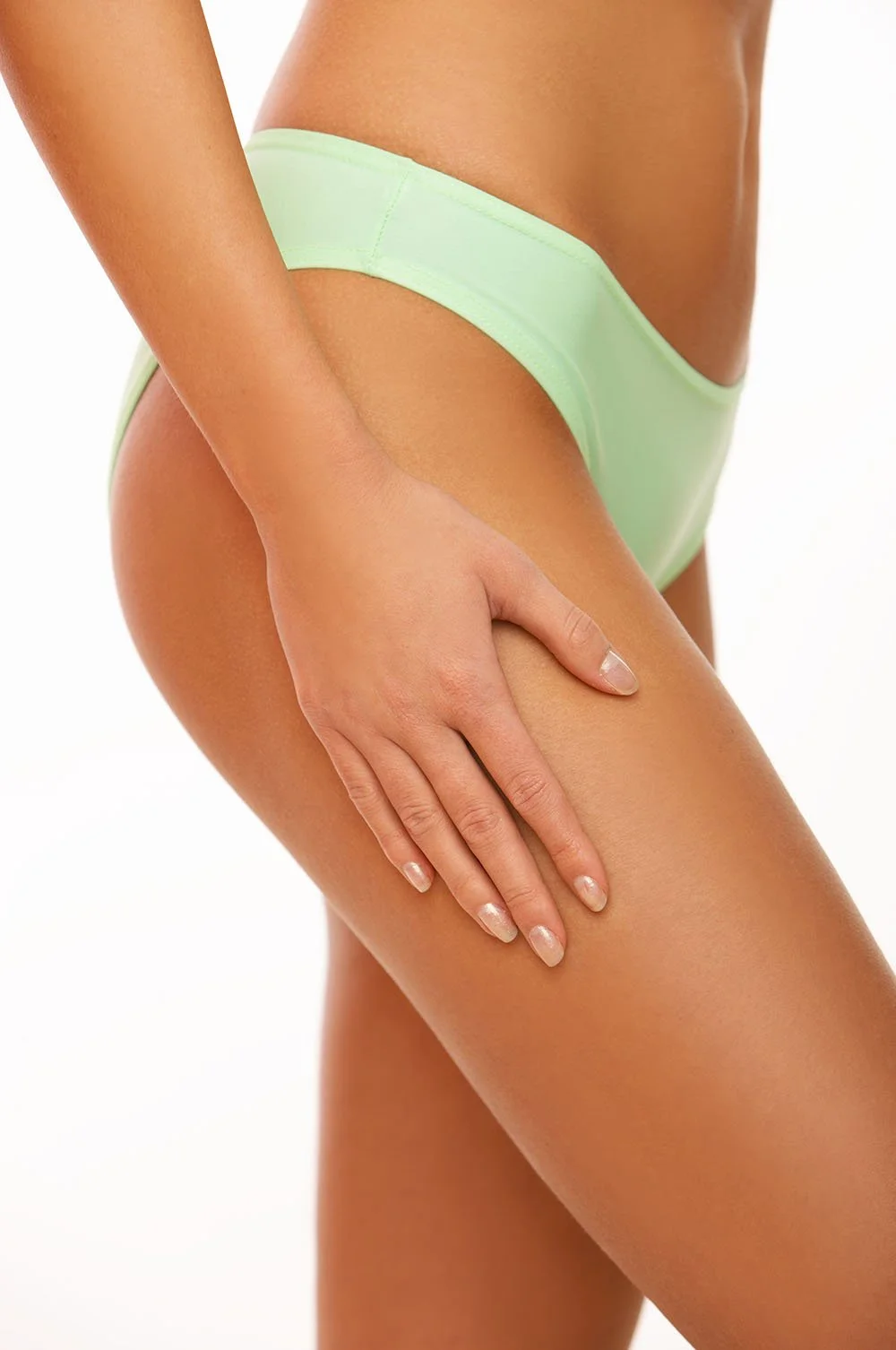



Cellulite/skin laxity are known to typically affect women after the age of 30 and become more pronounced by the age of 40 and 50. They also usually affect non-slim women, from curvy to overweight. In fact a research paper analysed here has explained how getting older and/or putting on weight in women but not in men leads to the development of cellulite - and loose skin. However, we also see young or skinny women who also suffer from cellulite / skin looseness. How is this possible?

Coffee scrub for cellulite: does it work?
One of the biggest beauty fads in the last few years is the scrubbing of ground coffee beans on your skin in the hope that it will smoothen up your cellulite and firm up your legs. Although it intuitively doesn’t make sense, this hasn’t stopped 3 million web pages, according to Google, to be created on the subject…
RF vs cavitation for cellulite reduction: what is best?
Why do I have to wait 8 weeks before having radiofrequency / cavitation treatment after liposuction?
Collagen vs whey protein for cellulite and skin tightening
Do wegovy, mounjaro or ozempic get rid of cellulite?
Wegovy, the stronger version of the drug semaglutide, has just been approved in the UK. Semaglutide injections, in the form of ozempic, are prescribed for diabetes, while in the form of wegovy they are prescribed for obesity. Both drugs have led to serious weight loss, at least in the cases where its sometimes severe side effects did not inhibit their use. As fat is the most important aspect of cellulite, the obvious question is: can ozempic/wegovy also be an anti-cellulite drug?
cryolipolysis-vs-radio-frequency-what-is-best
Red vs infrared LED light therapy for broken capillaries
Both red (around 630nm wavelength) and near infrared (around 830nm wavelength) light have been widely researched for the action on capillary health and integrity. Of course, existing broken capillaries cannot be repaired but red / infrared LED treatment will help prevent further capillary damage. By helping break down the by-products of leaked blood from broken capillaries, red/infrared light can also help with the dark pigmentation that occurs in those cases…
Advanced cellulite treatments for the bum and hip area
Advanced cellulite treatments for the back of thighs and outer thighs / saddlebags
Does cavitation work on belly fat (visceral fat)?
Visceral fat is the fat responsible for the so-called “beer belly” look. It is also the most unhealthy fat you can have, as it increases the risk if diabetes and cardiovascular disease. So it is no wonder people ask whether they can reduce visceral fat with any method. However, as we can see healthy eating, weight loss and exercise (and lately anti-diabetic injections) are the only ways to reduce visceral fat…
LED red / infrared light therapy after radiofrequency
At most clinics LED light therapy is provided after radiofrequency as a means to calm down skin after a very superficial radiofrequency treatment, which can irritate the skin. Low level light therapy (LLLT) in the red (around 630nm) and infrared (around 850nm) wavelengths is known to help calm and heal irritated skin and has been used for this purpose for decades. At our clinic, however, we do not use superficial radiofrequency for skin tightening largely because it is pointless for this purpose: fibroblasts (collagen cells) are found in the dermis (middle skin layer), while superficial RF acts primarily in the epidermis (top skin layer)…
We also do not use superficial radiofrequency for cellulite reduction because it is utterly pointless for this purpose. Fat cells and deeper seated collagen structures
Red light vs infrared light therapy: what is best?
Red light therapy (wavelengths of 620 to 750 nm) and near infrared light therapy (wavelengths of 800 to 2,500 nm) has become very popular the last few years for both aesthetic (anti-ageing, acne, hyperpigmentation, skin rejuvenation etc) and wellness (pain relief, sports injuries, back pain, seasonal affective disorder, burns, wound healing etc) applications. Many people wonder what is the main difference between red light and near infrared (NIR) light therapy and the answer is quite simple, as we will see below...
Cellulite massage: all you need to know
Massage for cellulite: does it work? There are many different types of cellulite massage (e.g. manual lymphatic drainage massage, deep tissue, body brushing, fascia massage, home cellulite massagers, cupping, vacuum massage , vibration etc). But do cellulite massages work? And of those that actually work which are the most efficient?
How to reduce water retention and oedematous cellulite [42 tips]
A lot of our clients ask us: What causes water/fluid retention on thighs, buttocks, lower legs or even the stomach? Can/does water retention cause cellulite? Does water retention make cellulite worse? Water retention (also referred to as fluid retention, puffiness, swelling, oedema etc.) affects a large number of women and, to a lesser extent, men. Water retention occurs when the veins and lymph vessels can not remove water from the tissues efficiently. Water retention can manifest occasionally (e.g. in the summer heat and/or if standing for long periods of time) or it may be chronic. Symptoms can range from mild (e.g. cellulite or puffiness typically appearing on the calves, thighs, hips, arms and face) to severe (medical water retention / lymphedema). Water retention can have many causes, both genetic and lifestyle-based. Check our comprehensive guide on the causes of fluid retention…
Cellulite exercise | How to get rid of cellulite
At the time of updating this article (February 2023) Google returned 3.7 million pages for the query “cellulite exercises”, volunteering “helpful suggestions” such as curtsy lunges, lateral lunges, glute bridges and squat jumps. But do these exercises work? Can you get rid of - or at least reduce - cellulite with specific exercises? Here we present the ultimate “exercise for cellulite” guide. Honest and straight to the point, without clichés or even dangerous misinformation that you find all over the internet. Just science-based, actionable information.
Does alcohol cause cellulite?
The perfect cellulite reduction plan (when money or time is not an issue)
Here is the IDEAL cellulite removal plan, without any cut corners or compromises, i.e. where the usual time and money constraints are not issue. Most people only have two weeks left before their holidays to do something about cellulite, a limited budget (fair enough), limited time to receive treatments or to apply creams and no intention, energy or time to follow an exercise / healthy nutrition regime. But for those who have the time, money and energy, this is the best possible plan, without gimmicks or compromises.
Cellulite laser treatment: does it work?
There are three types of lasers used for cellulite and skin tightening: hot lasers, i.e. high energy lasers; cold lasers, i.e. low energy lasers and also known as low level laser therapy / LLLT; surgical/invasive lasers. Here we present an analysis of all three types of lasers used for cellulite removal and their effectiveness.
TENS for cellulite, fat reduction or weight loss: does it work?
Different kinds of electrical treatments have been suggested the last few decades for skin firming and fat/cellulite reduction, with varying effectiveness. Examples include radiofrequency, high frequency wand treatments, microcurrents, galvanic, HIFEM (electromagnetic muscle stimulation), EMS (electrical muscle stimulation) etc. TENS (transcutaneous electrical nerve stimulation), used in physiotherapy for pain relief, is not one of them, but…


![How to reduce water retention and oedematous cellulite [42 tips]](https://images.squarespace-cdn.com/content/v1/5294cad9e4b009e918124a61/1650712230501-6AWDWOVRI02VXI3GNKW6/iStock-154948281.jpg)