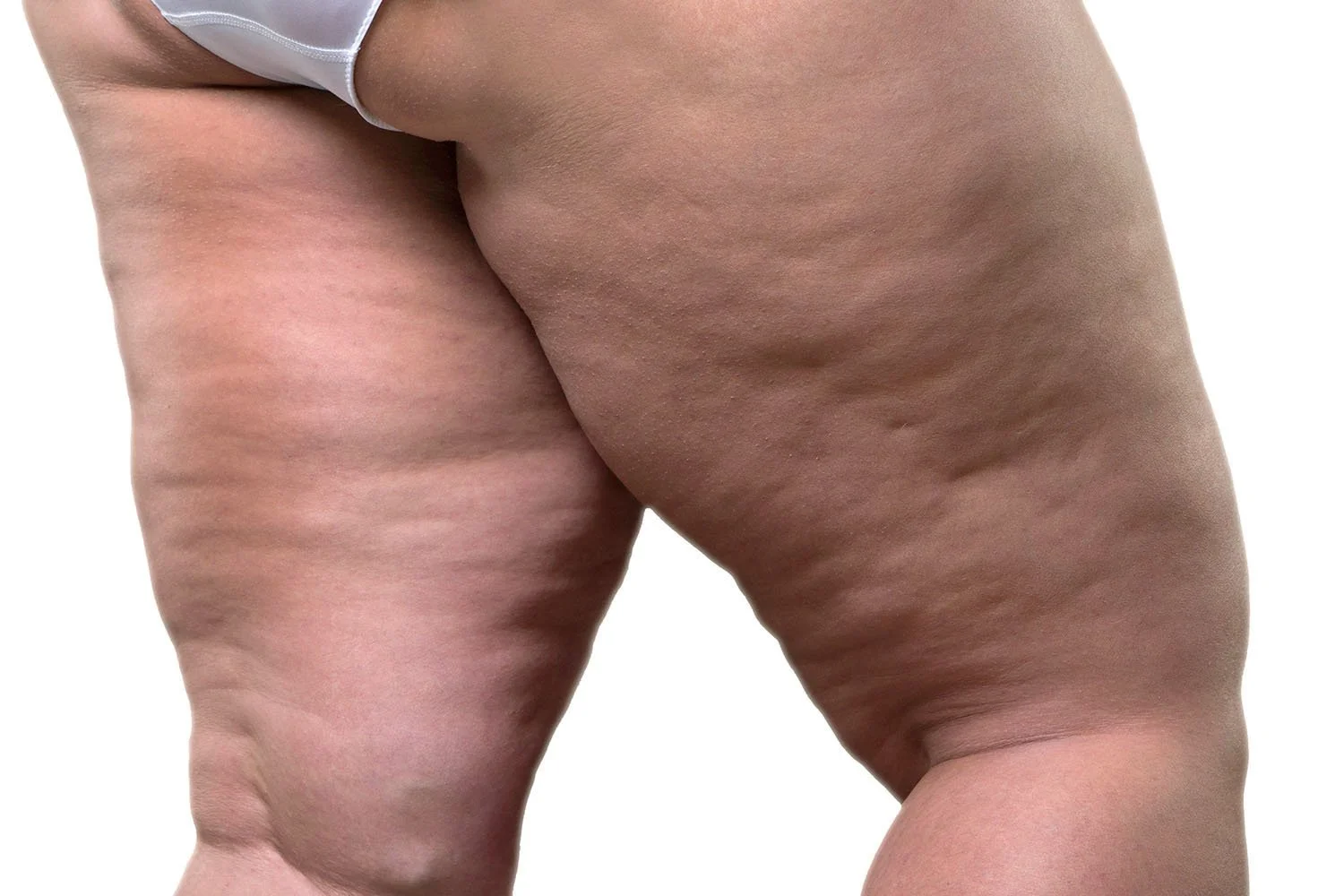


We can divide the different compression garments on the market in two categories: uniform pressure (simple compression) garments and graduated pressure garments. Below we are analysing the two types of compression garments and their effectiveness in reducing cellulite and water retention and their effect on firmness…

Dry brushing cellulite: does it work?
When it come to cellulite removal at home, dry body brushing is the immediate, go-to advice by beauty “experts” the world over. “You want to reduce cellulite at home? Hey, body brush! BTW, here is a list of overpriced body brushes below, for you to consume…” But does this advice stand to scrutiny? Can dry body brushing “get rid of your cellulite”?
Advanced skin tightening treatments after lipedema surgery
Coffee, lipolysis, weight loss, fat reduction and cellulite
All you ever wanted to know about caffeine, weight loss, fat reduction and cellulite. If caffeine is lipolytic, why doesn't coffee help me lose weight? How do caffeine creams help with local fat loss and cellulite? Why does caffeine cause cellulite? Get the facts, not the hype with our detailed guide based on science.
What is better for cellulite, RF or cavitation?
Let’s see first how each technology works and in which cases it works best. Deep-acting, high-power ultrasound cavitation works by disrupting fat cells mechanically (ultrasound is sound, ie mechanical waves), as well as via heat. This leads to lipolysis (fat release from fat cells) as well as adipocyte apoptosis (accelerated fat cell death)…
Apigenin (from parsley, chamomile and celery) may help prevent cellulite
A new study, published a few days ago (December 2023) looked at the potential antioxidant, anti-aging and anti-cellulite potential of a family of aromatic plants called Apiaceae or Umbelliferae. Common apiaceae plants include ajwain, angelica, anise, asafoetida, caraway, carrot, celery, chervil, coriander, cumin, dill, fennel, lovage, cow parsley, parsley, parsnip and sea holly…
Does sugar cause cellulite?
It is said that "sugar is the new smoking" - and for good reason. Consumption of sugar, found in pastry, desserts, cakes, chocolate, muffins, cocktails, juice drinks, jam, honey, fizzy drinks etc, is one of the worst things you can do to your eyes, teeth, blood vessels, pancreas, skin and, for the purposes of this article, your legs and bum….
Cellulite after weight loss: why does it sometimes look worse?
When you put on weight adipocytes (fat cells) in your deeper, subcutaneous adipose tissue fill up with fat and that give you volume. Skin has to accommodate the excess volume by becoming longer. At the she time, adipocytes in your more superficial hypodermal adipose tissue also fill up with fat and we call that cellulite. When you lose weight you mainly lose fat from the subcutaneous adipose tissue and not so much from the hypodermal one…
Advanced skin tightening treatments after liposuction
RF and ultrasound treatment: does total joule count mean anything?
Back in the early 2000, when RF treatments were static (using the “stamp” or “pulse” method), counting the total amount of energy applied on the skin (as measured in Joules, kiloJoules to be precise), meant something: it signified how strong the treatment was on that particular area. Today this stamp/pulse method is only being used for one ultrasound treatment, one RF treatment and for RF microneedling and HIFU…
What are typical prices for radiofrequency treatment in London?
Radiofrequency, when properly done (i.e. deep-acting, high-power radiofrequency applied by a well trained professional), is the most effective SAFE skin tightening and cellulite reduction treatment known today. Radiofrequency prices in London vary from anything between £50 a session to £3,500 a session, with typical prices for a quality treatment on an average sized body area in central London being £150-£500 per session. Of course, as with any other aesthetic treatment, effectiveness, price and customer service vary widely from clinic to clinic, depending on equipment quality, staff training, location and clinic environment and also the focus of each clinic…
Pterostilbene, resveratrol and hyperpigmentation
Pterostilbene is a chemical found in plants that has strong antioxidant and anti-inflammatory properties. These properties make it potentially useful for preventing skin cancer and other skin conditions. However, until recently, there had not been any research examining the effects of pterostilbene on pigment production in the skin…
The secret life of fat cells - 26 things you did not know about fat
Cellulite after brazilian butt lift (BBL)
Bread, gluten and cellulite
Most people quite rightly understand that too much bread will tend to increase cellulite. But why is that? There are four ways in which eating bread can increase cellulite. Calories: bread consists mainly of starch, which contains 4 calories per gram (kcal/g); too many calories mean more fat accumulation and cellulite. Glycaemic index: glycaemic…
Advanced cellulite treatments after liposuction
Cavitation ultrasound for cellulite vs ultrasound for physiotherapy: are they the same?
Yes, there are usually considerable differences. Physiotherapy ultrasound is usually of 1MHz (and sometimes 3MHz) frequency and of maximum power of around 10 Watts. Quite often it is used at a fraction of this maximum power, usually anything between 1 Watt and 5 Watts. This is because physiotherapy ultrasound is meant to stimulate and it is also used in a very small area, hence the low powers. Sometimes, low frequency ultrasound (300kHz) is used in physiotherapy but at very, very low powers (0.5-1 Watt). Some machines used in beauty, for cellulite reduction or other purposes, can also be of…
Is RF effective for slimming the face?
Radiofrequency refers to high frequency electrical currents that aims to target superficial, medium depth or deep skin layers. Radiofrequency does three things where it is applied. It stimulates collagen and elastin contraction and synthesis. It stimulates lipolysis, i.e. fat release from fat cells. It stimulates circulation
Can radiofrequency or cavitation “melt” my BBL fat?
Brazilian butt lift surgery (BBL) enlarges and lifts the buttocks by adding volume, through the addition of fat. However, BBL does not improve cellulite neither it changes the quality of the skin in the slightest and for this reason many people choose RF treatment, for skin tightening and cellulite reduction, or cavitation treatment, for cellulite reduction. However, many people are afraid that either of those technologies may reduce the amount of fat added via the BBL procedure…